Leaving Manhattan did not mean leaving New York behind immediately. The route itself was memorable: down the Hudson, around the southern end of Manhattan and then north and east through one of the busiest tidal waterways on the American coast.
East River and Hell Gate
The current initially ran against us. Although the boat was making about six knots through the water, progress over the ground fell to around two knots amid ferries, commercial traffic and their wash. We passed beneath Brooklyn Bridge and Williamsburg Bridge and continued past the Lower East Side.
The intended eastern channel at Roosevelt Island was unavailable because of the bridge clearance, so we took the other channel past the United Nations. At Hell Gate the tide was beginning to change. Beyond the bridges we passed Rikers Island and then sailed directly beneath the approach path to LaGuardia Airport before the favourable current carried us under Throgs Neck Bridge and into Long Island Sound.
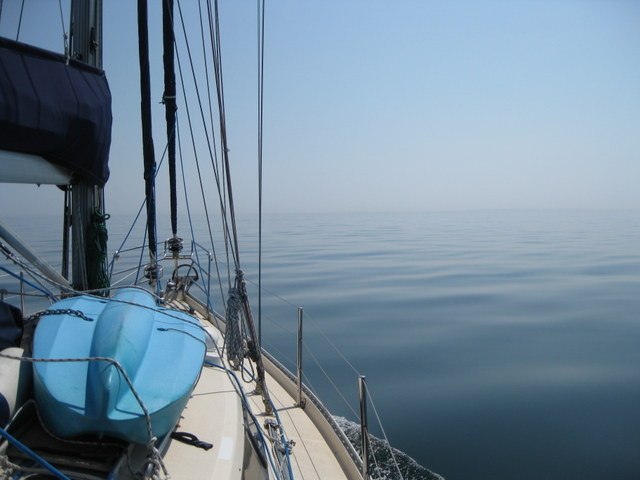
Port Washington
Port Washington was the first stop. It provided a quiet anchorage, access to supplies and a train connection back into Manhattan. More importantly, it gave us a few days to change from almost four weeks of city life back into cruising mode.
A heatwave was building over New York, so we soon moved farther east in search of a sea breeze and continued the northeastern part of the American cruise.
Rhode Island
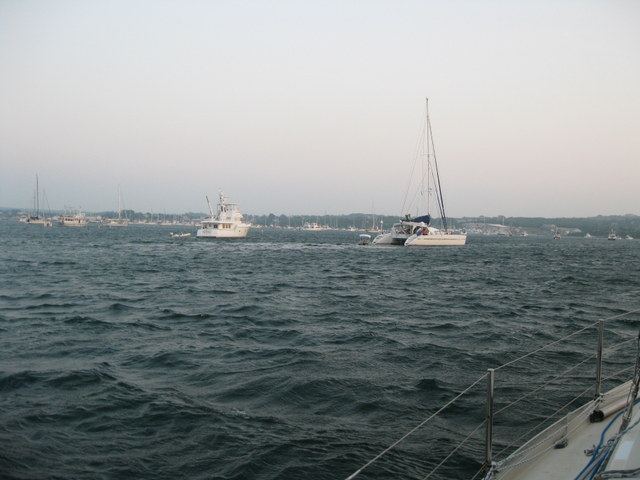
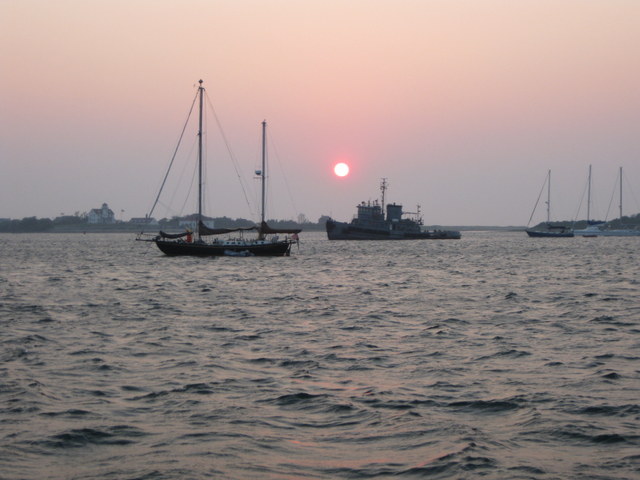
The surviving old website page for this part of the cruise was never completed, but its photographs remain in the archive. They preserve part of the record of Malua’s northernmost stage before the voyage turned south again.
The season turns south
The cruise through Long Island Sound and the northeastern coast was the final northward stage of our American season. Eventually it was time to turn south again and return to Deltaville, Virginia, where Malua would be laid up for the northern winter.
When I returned in February 2014 the contrast could hardly have been greater: Norfolk and Deltaville were covered in snow. Malua had to be recommissioned in freezing conditions before the voyage could turn south towards the tropics, Panama and the Pacific.